

Domestic dogs may sleep on our couches today, but their story begins in the wild. All modern dogs — scientifically classified as Canis lupus familiaris — descend from gray wolves (Canis lupus). Yet some breeds retain physical features, genetic traits, and behavioral instincts that closely resemble their ancient ancestors.
Recently inspired by the breed reveal of rescue pups Joey and Chandler (@joeyandchandlertakemanhattan), we were reminded just how fascinating canine genetics can be. Despite looking like tiny Chihuahua mixes, their DNA results revealed detectable wolf ancestry markers — something that surprises many dog owners.
Before that sounds dramatic, it’s important to understand what that actually means.
All domestic dogs carry wolf DNA. In fact, genetic testing often highlights ancestral wolf markers even in very small companion breeds. That doesn’t make them wolf hybrids — it simply reflects the shared evolutionary origin of every dog on earth.
Their story sparked a deeper look at the breeds most commonly considered “closest to wolves” — whether through genetic continuity, primitive lineage, or striking physical resemblance.
Understanding these breeds helps owners better support their needs — from exercise and enrichment to proper coat and paw care.
Which Dog Breeds Are Closest to Wolves?
The dog breeds most commonly recognized as closest to wolves include:
Alaskan Malamute
Siberian Husky
Czechoslovakian Wolfdog
Tamaskan Dog
Shikoku
Greenland Dog
A Brief History of Dog Domestication
The domestication of dogs is a fascinating journey that began over 15,000 years ago. Early humans likely began to domesticate wolves, who scavenged near human settlements. Over generations, a mutual bond formed: humans provided food, while the wolves offered protection and companionship. Genetic studies suggest that dogs split from their wolf ancestors around 20,000 to 40,000 years ago, with selective breeding for specific traits leading to the diverse breeds we see today (Freedman et al., 2014).
1. Alaskan Malamute


Origin: Alaska
Purpose: Hauling heavy sleds, Arctic survival
One of the oldest Arctic sled dogs, the Alaskan Malamute was bred by the Mahlemut Inuit tribe. Their thick double coat, erect ears, and powerful build give them a striking wolf-like presence.
Wolf-like traits:
Strong pack instincts
Endurance and independence
Deep, expressive howl
Despite their imposing look, Malamutes are affectionate and loyal. They thrive in active households and need structured exercise.
2. Siberian Husky


 Why They Resemble Wolves
Lean build, almond-shaped eyes, erect ears, and wolf-like movement.
History
Bred by the Chukchi people of Siberia for sledding and companionship, Huskies are endurance athletes built for harsh climates.
Temperament
Extremely social
High prey drive
Intelligent but escape-prone
Require firm, consistent training
Despite their wolf-like appearance, Huskies are generally friendly and people-oriented.
3. Czechoslovakian Wolfdog


Why They Resemble Wolves
This breed was intentionally created by crossing German Shepherds with Carpathian wolves in the 1950s.
History
Originally developed for military work in former Czechoslovakia, the breed combines wolf appearance with working-dog structure.
Temperament
Highly intelligent
Extremely energetic
Strong prey drive
Best suited for experienced handlers
They are not recommended for first-time dog owners.
4. Tamaskan Dog
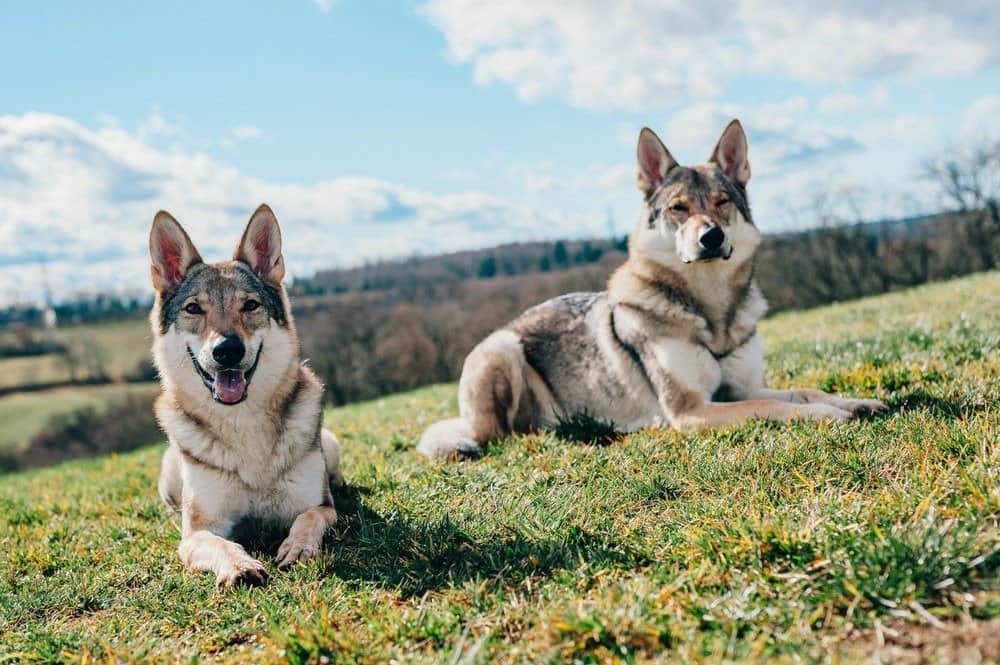

Why They Resemble Wolves
Bred specifically to resemble wolves without recent wolf hybridization.
History
Developed in Finland in the early 2000s using northern working breeds such as Huskies, Malamutes, and Shepherd-type dogs.
Temperament
Family-oriented
Trainable
Energetic
Thrive with structured activity
They offer the aesthetic of a wolf with a more predictable domestic temperament.
5. Shikoku


Why They Resemble Wolves
Compact build, triangular ears, curled tail, and alert expression.
History
An ancient Japanese breed originally used for hunting wild boar in mountainous regions.
Temperament
Loyal
Agile
Alert
Requires firm training
The Shikoku retains many primitive instincts and excels with active owners.
6. Greenland Dog


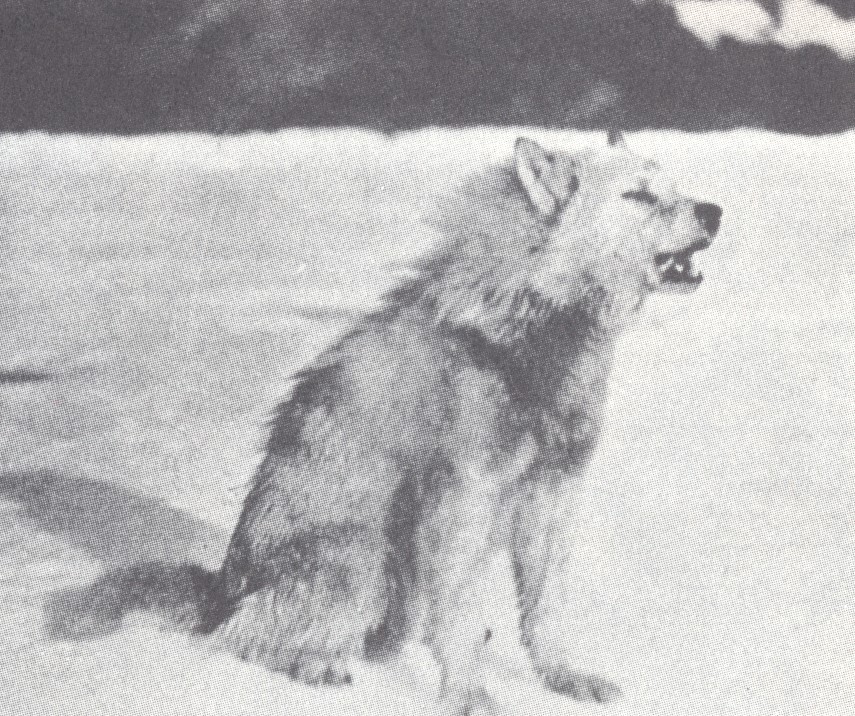
Why They Resemble Wolves
One of the most ancient Arctic sled breeds, closely related to early polar dogs.
History
Used by Inuit communities for transportation and hunting across Greenland’s extreme climate.
Temperament
Independent
Endurance-driven
Strong pack mentality
Not ideal for sedentary households
The Role of Rescue Dogs: Joey and Chandler
In our exploration of dog breeds and their rich history, it’s essential to highlight the significant role that rescue dogs play in our lives. Friends Joey and Chandler (@joeyandchandlertakemanhattan) embody this spirit beautifully. These two rescue pups have captured the hearts of many with their adorable antics and the message of adopting rather than shopping for pets. Have they descended from the call of the wolf? Head over to their Instagram feed to find out their breed reveal story!
Adopting rescue dogs not only provides a loving home for animals in need but also brings unique and often wolf-like traits to our households. Many rescues, regardless of their breed, possess the loyalty and companionship reminiscent of their wild ancestors. Joey and Chandler remind us that every dog has a story and deserves a chance at a happy life. Be sure to check out their Instagram feed (@joeyandchandlertakemanhattan) to see if they have come from the call of the wolf! 
Conclusion
Dogs, with their diverse breeds and rich histories, continue to evolve alongside us. While some breeds closely resemble their wolf ancestors, they also possess the temperament and traits that make them cherished family members. Whether you’re considering an Alaskan Malamute, a Siberian Husky, or even a Pekingese, it’s vital to understand their backgrounds and needs.
As we appreciate the beauty of these breeds, let’s also remember the importance of adopting rescue dogs. Just like Joey and Chandler, every dog has the potential to bring joy and love into our lives. Together, we can honor the legacy of dogs and their connection to wolves, fostering a world where all dogs are valued and loved.
References
- Freedman, A. H., et al. (2014). “Genomic data reveal the origin of dog breeds.” "Nature"
- "History of the Alaskan Malamute." American Malamute Association.
- "Czechoslovakian Wolfdog History." Czechoslovakian Wolfdog Club of America.
- “The Tamaskan Dog.” Tamaskan Dog Register.